
The four-day workweek has emerged as a significant consideration for businesses aiming to optimize productivity while enhancing employee wellbeing. This shift from traditional five-day schedules has shown promising results, with studies indicating that a shorter workweek can lead to increased efficiency and improved morale among employees. As organizations navigate the complexities of this transition, an examination of its potential impacts on productivity, operational challenges, employee wellbeing, and broader societal implications becomes essential. This article provides business owners and managers with a comprehensive framework to assess the feasibility and effectiveness of implementing a four-day workweek in their organizations.
Evidence suggests that reducing work hours without sacrificing pay can result in long-term productivity gains, heightened job satisfaction, and enhanced employee retention. However, the transition is not without challenges, especially in sectors requiring 24/7 operations. Understanding these dynamics will equip leaders to make informed decisions about adopting this innovative work model.
The Four-Day Workweek as a Catalyst for Enhanced Productivity
The concept of a four-day workweek involves compressing a standard work schedule into four days, allowing employees to enjoy an extended weekend. This model has been extensively studied in the UK, where a large-scale pilot involving 61 companies and approximately 2,900 workers demonstrated significant productivity improvements. Research indicates that companies implementing this approach reported a sustained increase in productivity of around 10%—notable considering that the average UK employee engages in productive activities for about 2 hours and 53 minutes during a typical eight-hour day.
Remarkably, 92% of the participating companies in the pilot opted to continue with the four-day workweek after the trial phase, and nearly one-third made the shift permanent. These decisions highlight the perceived benefits of increased productivity and workforce satisfaction.
An infographic illustrating productivity statistics before and after implementing a four-day workweek (Source: WorkLife)
These findings prompt a reevaluation of traditional work practices, suggesting that organizations that adapt to this new model may experience enhanced operational effectiveness, given careful planning and execution.
Facing Operational Challenges in Transitioning
Transitioning to a four-day workweek presents several operational hurdles for organizations. Key challenges commonly faced include the need for effective staffing solutions, scheduling complexities, and the maintenance of service quality, especially in sectors like healthcare and essential services that rely on continuous coverage.
Some specific challenges include:
-
Continuous Operations Requirement: Industries such as healthcare require 24/7 availability. It is essential to ensure adequate staffing levels to prevent any disruption to service quality.
-
Staffing and Scheduling Complexity: Implementing a four-day week necessitates intricate scheduling to ensure all shifts are sufficiently covered. Organizations may encounter increased risks of communication errors during shift changes.
-
Workload Compression: Employees may feel pressured to complete the same workload in fewer days, posing risks of burnout if not managed appropriately.
To address these challenges, organizations can adopt innovative scheduling methods, such as staggered work shifts, ensuring continuous coverage. Additionally, it may be necessary to assess current staffing levels to effectively accommodate the new schedule.

A flowchart outlining the common operational challenges faced during the implementation of a four-day workweek (Source: Squarespace)
By developing a structured approach to address these hurdles, organizations can enhance their chances of a successful transition.
Assessing Feasibility for Implementation
For organizations considering the adoption of a four-day workweek, a thorough evaluation of feasibility is crucial. Factors to analyze include current workflows, productivity levels, and employee satisfaction. Companies should employ various tools to gather pertinent data, which can facilitate a thoughtful transition process.
Key assessment steps include:
-
Evaluating Current Workflows: This involves analyzing how tasks are currently distributed and identifying any potential areas for efficiency improvements.
-
Employee Feedback Mechanisms: Engaging employees in discussions about proposed changes can provide valuable insights regarding potential challenges and opportunities.
-
Trial Programs and Pilot Tests: Implementing a trial phase allows organizations to collect tangible data before making wider changes.
-
Cost-Benefit Analysis: Understanding the financial implications, including potential savings through reduced overhead costs or increased productivity, can significantly influence decision-making.
According to recent studies, businesses that successfully transitioned to a four-day workweek often did so by taking an iterative approach, utilizing feedback from initial trials to refine their strategies.

A checklist graphic for evaluating the feasibility of a four-day workweek (Source: Clockify)
The effectiveness of these evaluation processes depends on how well organizations align their operational structures with the evolving needs of their employees.
Understanding Employee Wellbeing Benefits
The benefits of a four-day workweek extend beyond productivity; they significantly impact employee wellbeing. Research reflects that employees benefit from improved work-life balance, which in turn enhances job satisfaction and reduces turnover rates. A systematic review has found consistent evidence for improvements in morale and overall job satisfaction associated with this work model.
Key wellbeing enhancements include:
-
Work-Life Balance Benefits: Employees report having more time to engage in leisure activities, family commitments, and personal development, resulting in improved mental health.
-
Quantitative Improvements: For example, 60% of respondents in a recent survey indicated that managing their workload became easier, while 54% noted that household responsibilities became more manageable as a result of having extra free time.
-
Long-Term Satisfaction Gains: Organizations adopting this model typically observe diminished turnover rates, reflecting a growing sense of loyalty among employees.

A compilation of employee quotes sharing experiences regarding wellbeing enhancements (Source: Paul Taylor)
Focusing on employee wellbeing allows organizations to foster a happier workforce, which can lead to greater productivity and retention.
Real-World Success Stories of Transition
Numerous organizations have successfully embraced the four-day workweek, providing valuable insights into the benefits and challenges of this transition. Noteworthy examples include companies participating in the UK’s four-day workweek pilot program.
Key findings from these case studies include:
-
Diverse Industry Adoption: Companies across various sectors—including technology, marketing, and service industries—reported positive outcomes related to productivity and employee satisfaction.
-
Sustained Productivity Increases: Evidence from the pilot program indicated that companies experienced sustained productivity growth, with some reporting efficiency increases of over 25% beyond initial trial phases.
-
Positive Employee Feedback: Surveys revealed that employees felt more satisfied and engaged, resulting in significant improvements in overall workplace morale.
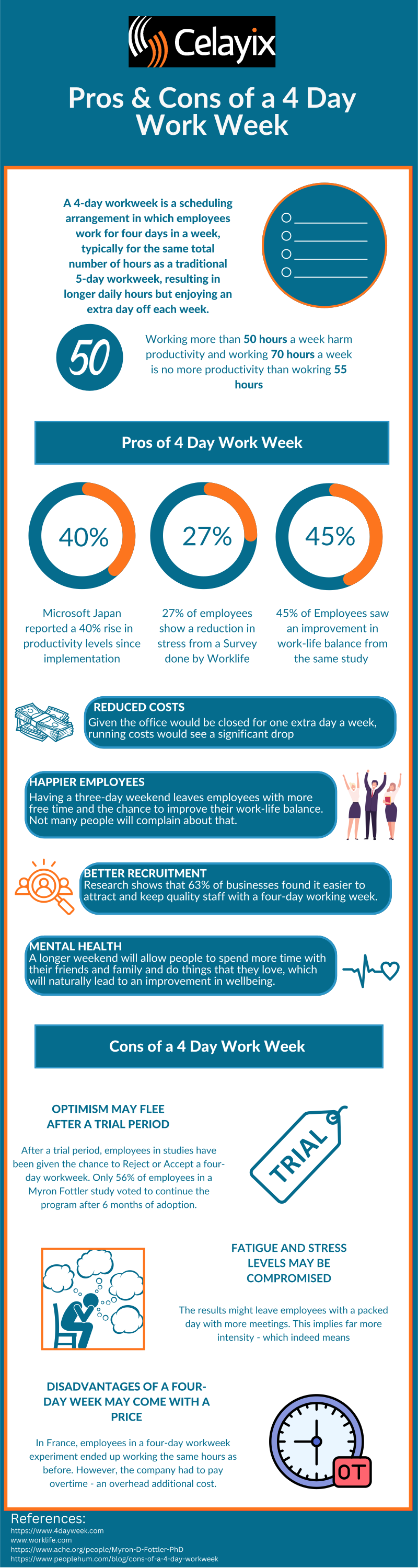
A before-and-after infographic summarizing employee satisfaction levels from companies that adopted a four-day workweek (Source: Celayix)
Learning from these case studies can provide a roadmap for organizations seeking to make similar transitions, enabling them to mitigate risks and capitalize on potential benefits.
Broader Societal Implications Beyond the Office
The implications of a four-day workweek reach beyond the workplace, influencing family dynamics, gender equality, and community engagement. As more employees benefit from an extended break, significant changes in social structures have been observed.
-
Family Life Enhancements: Reports indicate that approximately 60% of employees feel more capable of managing their family obligations, contributing to improved home environments and relationships.
-
Gender Equality in Unpaid Care Work: The reduced work hours facilitate a more equitable sharing of household responsibilities, encouraging greater participation from all family members.
-
Community Involvement: Many participants have expressed increased engagement in community activities, volunteering, and participating in social events, which positively affects local social dynamics.

A graph illustrating improvements in family dynamics linked to a four-day workweek (Source: Work Status)
Recognizing these societal shifts positions organizations as leaders, helping to foster positive changes that extend beyond their immediate workforce.
Regulatory Considerations for a New Work Paradigm
The adoption of the four-day workweek raises questions regarding existing legal frameworks and potential regulatory changes necessary for broader implementation. Policymakers in the UK have begun to consider adaptations to labor laws that would facilitate this transition.
-
Current Legal Framework: Existing regulations define maximum working hours, emphasizing the need for adjustments as businesses move towards a four-day workweek structure.
-
Proposed Amendments: Recent proposals for the Employment Rights Bill call for establishing a Working Time Council, which would oversee the transition and recommend best practices for implementing the four-day workweek.
-
Industry-Specific Needs: Different sectors will require tailored regulatory frameworks to ensure their unique operational models can function effectively under the new schedule.

A timeline infographic showcasing proposed legislative changes affecting the four-day workweek (Source: Employment Law Solicitors)
By addressing these regulatory considerations, businesses can prepare for the broader implications of this significant shift in work structure.
Conclusion
The evaluation of a four-day workweek presents organizations with a unique opportunity to enhance productivity, improve employee wellbeing, and foster societal change. As evidenced by successful case studies and supporting research, transitioning to a shorter workweek can yield sustained benefits for both employees and employers. Nevertheless, it is imperative for businesses to carefully consider operational challenges, assess feasibility, and adapt to regulatory nuances in their approach.
For leaders contemplating this shift, a strategically implemented four-day workweek could lead to a more satisfied and engaged workforce, equipped to meet the complexities of modern working life.