
Introduction
The agricultural landscape is evolving rapidly, driven by the increasing urban population and the urgent need for sustainable food sources. Two innovative methods gaining traction in this context are vertical farming and precision agriculture. Both approaches aim to enhance resource use efficiency, improve food production rates, and mitigate the environmental impact associated with traditional farming practices.
Vertical farming involves cultivating crops in controlled, indoor environments stacked vertically, effectively minimizing land usage while employing various growing technologies like hydroponics and aeroponics. This method is particularly suited to urban settings, as it allows for year-round cultivation and significantly reduces transportation emissions by localizing food production. In contrast, precision agriculture leverages advanced technologies such as GPS and the Internet of Things (IoT) to optimize field-level management of crop farming. By collecting and analyzing data on soil conditions, crop health, and weather forecasts, precision agriculture aims to maximize yields while minimizing waste of resources.
Although both methods share the common goal of improving agricultural sustainability, they differ significantly in their approaches to resource utilization, scalability, and economic implications. Analyzing both methods will provide insights into their potential to support future food security, inform investment opportunities, and facilitate effective integration into urban planning. As urban planners and agritech investors assess the viability of each method, it is critical to understand their unique strengths and weaknesses in the context of optimizing resource use.
Understanding the Basics of Vertical Farming and Precision Agriculture
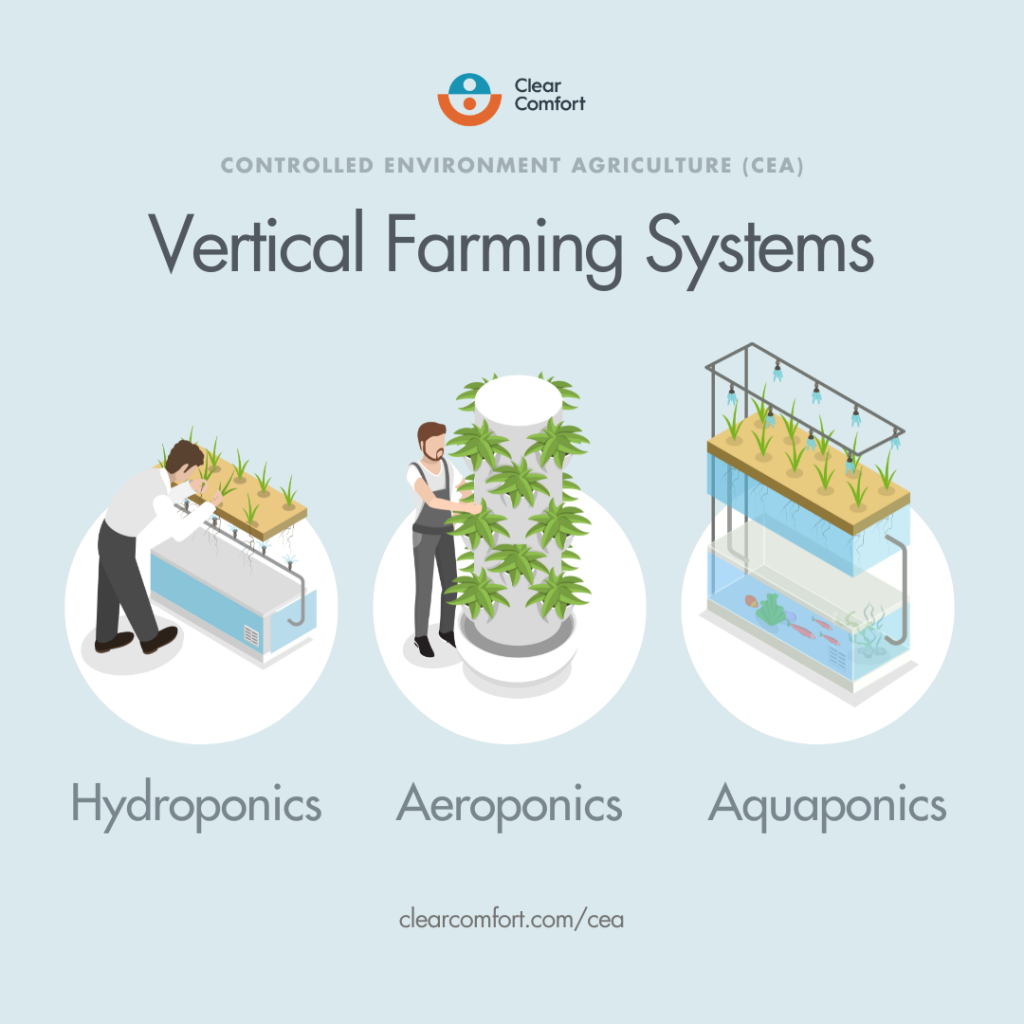
Vertical farming is characterized by its innovative use of space and controlled environments to cultivate crops. By utilizing techniques such as hydroponics, aquaponics, and aeroponics, vertical farms can produce food without soil and with minimal water consumption—reportedly up to 95% less than traditional farming methods (Research from Agarwal et al.). Alternatively, precision agriculture employs technological tools to enhance conventional farming practices, effectively optimizing water use and reducing energy consumption by 20-50% compared to traditional methods (Research from Agarwal et al.).
The technological distinctions between the two approaches hinge on their growing environments and methodologies. Vertical farms, which typically operate indoors, benefit from climate control and advanced growing technologies. In contrast, precision agriculture integrates with outdoor field environments, utilizing ground sensors, drones, and satellite imagery to provide real-time analytics and insights.
Both methods seek to optimize resource efficiency; however, their pathways diverge in practice. Vertical farming emphasizes space and resource efficiency, while precision agriculture focuses on data-driven decision-making and field management.
Infographic showing cost analysis and profitability of vertical farming versus traditional farming in urban areas, focusing on investment, operational costs, and returns (Source: Clear Comfort)
Resource Efficiency: Are Vertical Farms Truly Sustainable?
The sustainability of vertical farming is frequently scrutinized, particularly concerning its resource efficiencies in comparison to traditional agricultural practices. Vertical farms can reportedly yield 240 times the output of conventional farms due to their intensive hydroponic systems that maximize yield per square foot (Research from Ali et al.). Nonetheless, the energy consumption associated with vertical farming—averaging 38.8 kWh per kilogram of produce—raises significant concerns about its long-term viability (Research from Springer Nature).

Moreover, studies indicate that carbon emissions from vertical farming can be significantly higher than those of conventional farming unless offset by renewable energy sources. When powered by renewable energy, vertical farming has the potential to reduce emissions by up to 70%, highlighting a critical area for improvement (Research from Springer Nature).
In contrast, precision agriculture, leveraging natural environmental conditions and sunlight, tends to necessitate fewer resources for energy and irrigation. By utilizing monitoring systems, precision agriculture has the capacity to improve input efficiency, bolstering its sustainability profile. This comparison reveals that while vertical farming offers substantial yield advantages, the energy consumption and carbon footprint present obstacles that must be addressed to ensure long-term sustainability.

Graph displaying energy consumption per crop yield in vertical farming versus traditional farming, focusing on the efficiency of vertical agriculture (Source: Springer Nature)
Urban Food Security: Can Vertical Farming Fill the Gap?
Urban food security has emerged as a pressing challenge, with projections indicating that cities will accommodate over two-thirds of the global population by 2050. To secure adequate food sources for these growing populations, innovative solutions are essential. Vertical farming stands poised as a viable answer, providing city residents with access to fresh produce while reducing their reliance on long supply chains. This localized production can significantly limit food miles, thereby decreasing transportation emissions.
Research has shown that urban vertical farms can effectively respond to the demand for food sustainably. By incorporating vertical farms into urban areas, cities can alleviate food deserts and promote fresh produce accessibility in previously underserved neighborhoods, ultimately creating local job opportunities (Research from Smith et al.).
On the other hand, while precision agriculture improves yields on larger land parcels, it may not address food access for urban residents as effectively. This method primarily benefits those engaged in agricultural operations outside urban centers. Although precision agriculture enhances overall productivity and sustainability, its direct impact on urban food security may be comparatively limited when contrasted with the benefits offered by vertical farming.

Map illustrating two pathways urban agriculture can take to improve food security, including the role of innovative farming methods (Source: ResearchGate)

Investment Insights: Which Farming Method Fits Your Portfolio?
The investment landscape for agritech is rapidly evolving, with both vertical farming and precision agriculture offering distinct opportunities and challenges. Vertical farming, while entailing substantial upfront capital costs—potentially running into millions—offers significant potential returns through the provision of premium, locally grown produce. As consumer demand for fresh, organic options continues to rise, the appeal of vertical farming grows, making it an attractive prospect for investors (Research from Agarwal et al.).
Conversely, precision agriculture boasts lower startup costs and offers immediate returns by maximizing the output from existing farmland. The integration of technology into traditional farming practices attracts investors seeking reliable returns with minimized risks. Advanced analytics allow farmers to improve their management practices and respond dynamically to market needs, appealing to a broad spectrum of stakeholders, from investors to policymakers.
While both methods present substantial market potential, they exhibit substantial differences in investment risk profiles. Vertical farming is at the forefront of agritech innovation, presenting opportunities for high returns, albeit with significant risk factors tied to operational costs and market acceptance. In contrast, precision agriculture is characterized as a more stable, established option that caters to conservative investors seeking steadier returns.

Visual representation showing projected investment trends and growth in the vertical farming sector (Source: Agritech Tomorrow)
Crop Versatility: What Can We Grow?
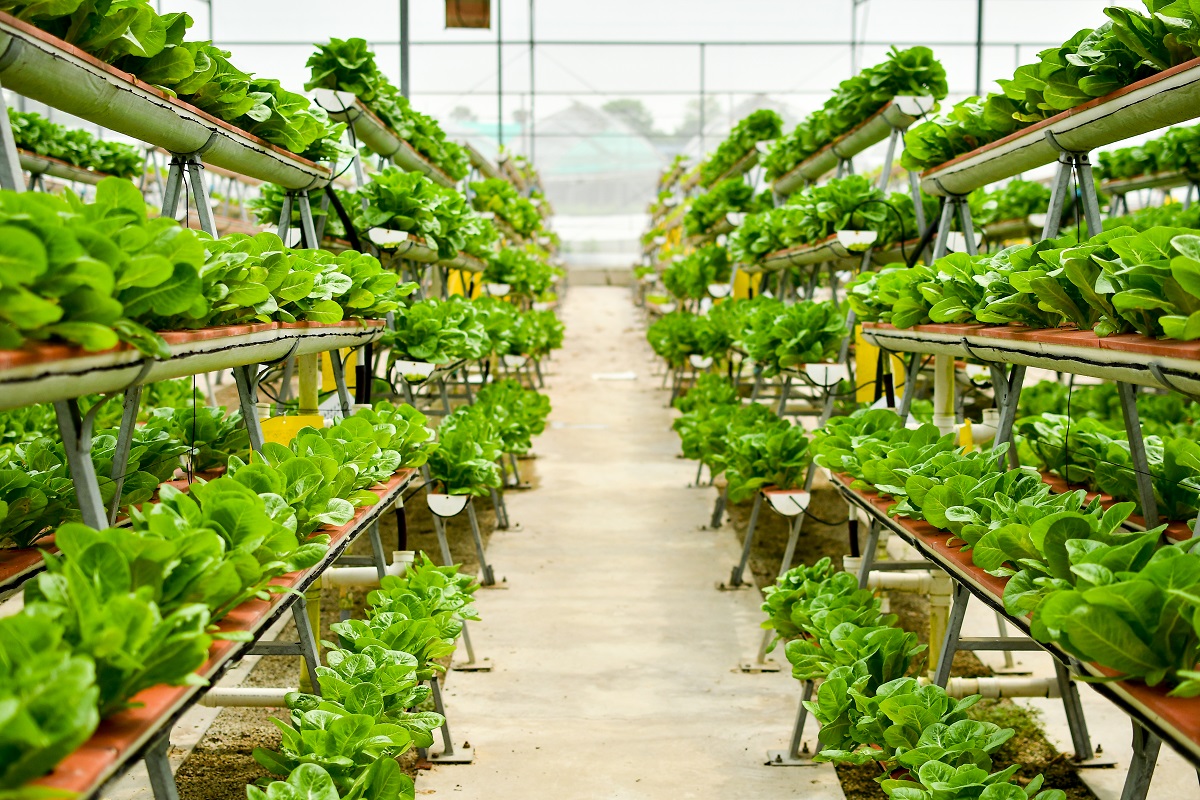
The types of crops suitable for cultivation through vertical farming and precision agriculture vary significantly, influencing market dynamics and consumer preferences. Vertical farming excels in producing high-value crops, particularly leafy greens and herbs, which thrive under controlled environments. Crops such as basil, lettuce, and pak choi can yield substantially higher quantities in vertical farms—reportedly up to 240 times that of traditional farms per square foot (Research from Ali et al.).
Although vertical farming showcases impressive yield capabilities, it remains somewhat constrained in crop variety because of the technical challenges of scaling diverse types of crops. Staple food crops like grains and root vegetables can be less suited for this growing method.
On the other hand, precision agriculture affords farmers the flexibility to cultivate a wide array of crops efficiently, including traditionally grown staples like corn and wheat. Large agricultural operations can leverage data analytics to optimize their output through enhanced irrigation and pest management strategies, improving crop health and overall yield. The benefits of adopting precision agriculture are accentuated as an increasing number of large-scale farms incorporate advanced technology to monitor crop health, thereby achieving measurable improvements in both yield and economic viability.

Gallery-style image displaying a variety of crops successfully grown in vertical farming environments (Source: Mottech)
Technological Advances Driving Efficiency
Technological innovations have become pivotal in enhancing the efficiency of both vertical farming and precision agriculture. In vertical farming, AI and automation have revolutionized operational management and resource optimization. Automated systems can manage water usage efficiently—yielding reductions of up to 95% compared to traditional farming methods (Research from Agarwal et al.).
Moreover, the implementation of machine learning algorithms enables predictive analytics to inform optimal planting schedules, resource allocation, and crop health assessments, enhancing both yield and sustainability.
In contrast, precision agriculture is defined by its use of advanced data analytics and field management tools, such as GPS-enabled tractors and drone technology designed for crop monitoring. These technologies provide farmers with real-time data, facilitating informed decision-making. Research suggests that the effective application of precision agriculture technology can yield increases of up to 10%, while simultaneously minimizing agricultural inputs (Research from Agarwal et al.).
Through the strategic application of technology, both methods demonstrate potential for efficiency improvements and resource optimization. However, there is a clear distinction; vertical farming leans towards minimizing resource use through controlled environments, while precision agriculture emphasizes optimizing traditional farming practices using technology.

Conceptual diagram illustrating the architecture of smart vertical farming, incorporating AI and automated systems (Source: ResearchGate)

Navigating Regulations and Incentives in Agritech
Understanding the regulatory landscape and government incentives is essential for both vertical farming and precision agriculture. In the United States, the USDA provides various grant programs aimed at supporting these methods, including the Specialty Crop Block Grant Program and the Farmers Market Promotion Program (Research from USDA). These initiatives illustrate a commitment to promoting innovative agricultural practices that enhance sustainability and food security.
In contrast, the European Union poses significant regulatory challenges for vertical farming endeavors. Strict organic certification standards hinder vertical farms from labeling their products as organic, which restricts access to premium markets (Research from Smith et al.). Precision agriculture, however, tends to navigate these existing frameworks more seamlessly due to its integration with traditional farming practices.
Other countries, such as Singapore, have made significant strides by implementing substantial incentives for agritech startups, paired with a national goal to produce 30% of nutritional needs locally by 2030. This proactive strategy positions vertical farming favorably within the governmental priorities for food security. Similarly, Japan and the UAE have adopted supportive policies to bolster vertical farming initiatives.
The regulatory environment continues to evolve, presenting both opportunities and challenges. As urban planners and investors consider their options, a thorough understanding of these regulations and incentives can provide valuable insights into associated risks and rewards.

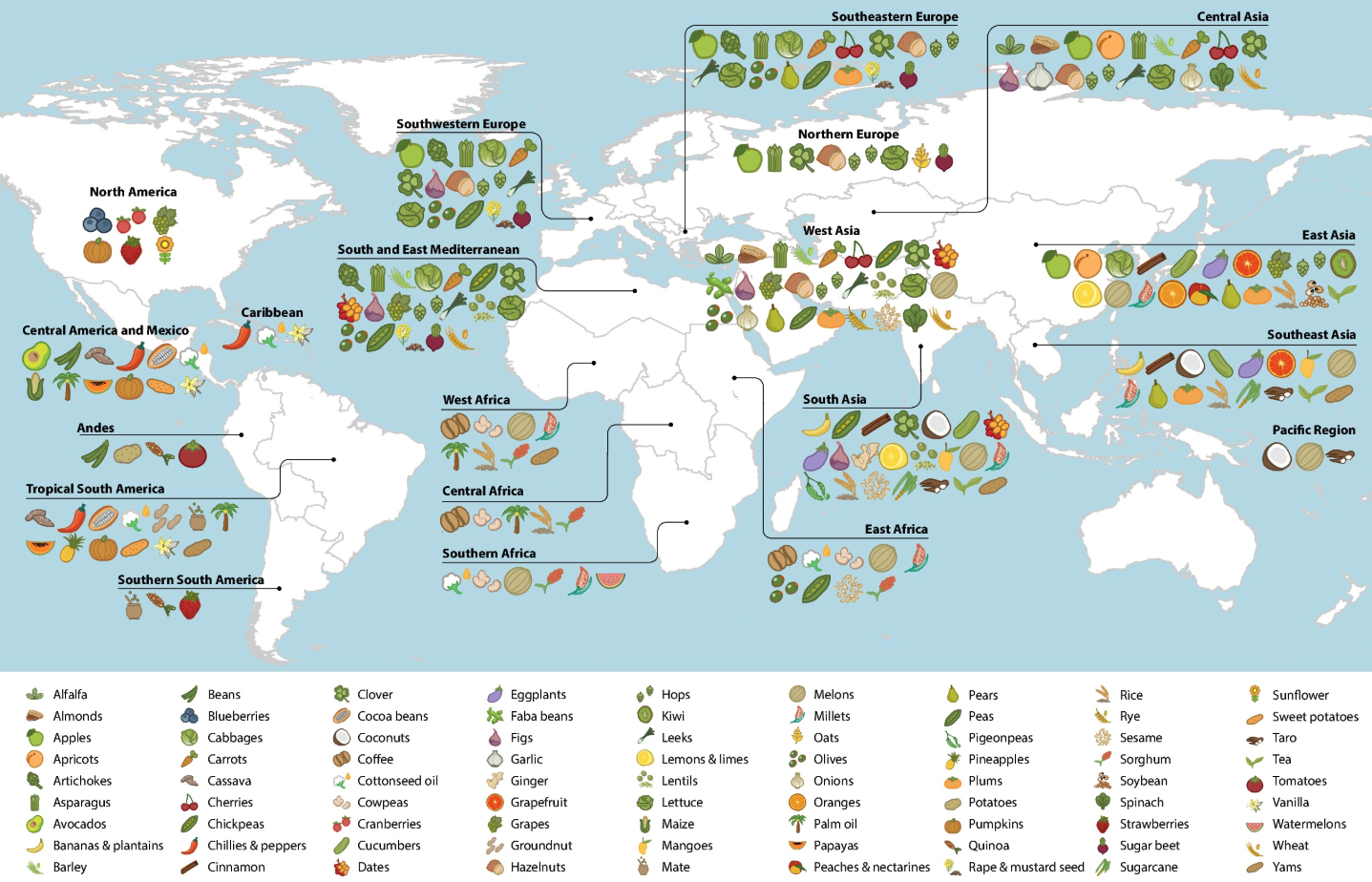
World map highlighting regions with supportive frameworks for vertical farming and precision agriculture (Source: EIT Food)
Integrating Farming Methods into Urban Planning for the Future
Urban planners have a pivotal role in integrating vertical farming and precision agriculture within cities. The benefits of creating hybrid models that combine these methods have become increasingly apparent. Cities like Tokyo and Singapore serve as exemplary models of urban integration, demonstrating how vertical farming can be effectively mapped into urban spaces through policy incentives and infrastructure development.
Singapore’s “30 by 30” initiative exemplifies the potential impact of urban agriculture on food security. By including vertical farms into urban planning, cities can effectively respond to food demands, bolster local economies, and create jobs while addressing environmental concerns. However, to capitalize on these advantages, strategic approaches that consider scaling, market acceptance, and land use flexibility are essential.
Collaboration among stakeholders, including agritech investors and local governments, can help facilitate the integration process, transforming urban landscapes into sustainable food-producing environments. Therefore, urban planners are encouraged to develop multidisciplinary approaches that harmonize agricultural methods, tailoring solutions according to specific urban needs and resource availability.

Conceptual design of an urban vertical farm illustrating how it might be integrated into cityscapes (Source: ResearchGate)

Conclusion
The comparative analysis of vertical farming and precision agriculture highlights distinct advantages and challenges intrinsic to each method. Vertical farming’s capacity for high-density production in urban environments presents a promising solution for addressing food security needs in increasingly populated areas. Its resource-efficient approach, particularly when complemented by renewable energy sources, indicates a viable path for sustainable food production.
Nevertheless, significant initial investments, ongoing energy consumption, and limitations in crop diversity present hurdles that must be navigated for successful implementation. Conversely, while precision agriculture optimizes existing farmland, it may not directly address fresh food access for urban populations as effectively.
Ultimately, the choice between these agricultural methods depends on local context, investment capacity, and policy infrastructure. Recognizing the unique strengths of both vertical farming and precision agriculture can provide agritech investors and urban planners with the insights necessary to develop and implement innovative solutions aimed at ensuring food security in future cities. By harmonizing these farming methods, it is possible to create resilient agricultural practices capable of addressing the challenges that lie ahead in the 21st century.